
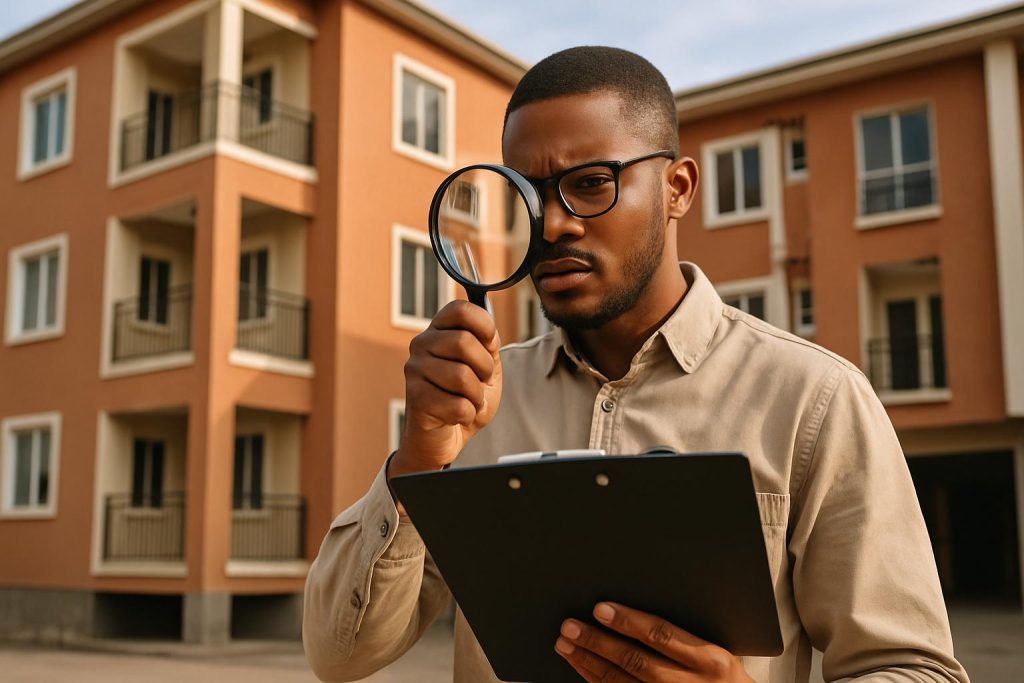
Dangers to Look Out for in Real Estate: Protecting Your Money Before You Buy
One thing I’ve learned about real estate is that buying property is exciting, but excitement can sometimes cloud good judgment.
When you see a beautiful estate, hear about a limited-time offer, or imagine building your dream home, it’s easy to focus only on the opportunity. I’ve been there. I’ve looked at attractive properties and immediately started thinking about what the finished house would look like instead of asking the important questions first.
Over time, I realized that successful real estate investing isn’t just about spotting good opportunities—it’s equally about avoiding bad ones.
The truth is that real estate has created wealth for countless families, but it has also caused financial losses for people who rushed into decisions without proper research.
This article isn’t meant to scare you away from investing. Instead, it’s designed to help you recognize common dangers before they become expensive mistakes.
Whether you’re buying your first plot of land, investing in rental property, or planning to build your dream home, these lessons can help you make wiser decisions.
1. Buying Without Proper Verification
This is probably the biggest mistake anyone can make.
A beautiful brochure, professional-looking website, or convincing salesperson should never replace proper verification.
Before paying for any property, confirm:
- Who owns the land?
- Are the ownership documents genuine?
- Is the seller authorized to sell?
- Are there any disputes?
- Has the property been surveyed correctly?
Taking time to verify may feel slow, but it’s much faster than dealing with years of legal disputes.
2. Falling for Prices That Seem Too Good to Be True
We’ve all seen advertisements promising land at unbelievably low prices.
Sometimes these offers are genuine, especially in developing areas. Other times, they may hide serious problems.
Ask yourself:
- Why is this property significantly cheaper than nearby land?
- Is there a legal issue?
- Is access difficult?
- Is the location prone to flooding?
- Are there hidden charges?
If something sounds too good to be true, slow down and investigate carefully.
3. Ignoring the Location
A common saying in real estate is:
Location is one of the most important factors in property value.
A cheap property in an unsuitable location may become difficult to sell or develop later.
Consider:
- Road access
- Security
- Electricity
- Water availability
- Nearby schools
- Healthcare
- Commercial development
- Future infrastructure plans
A property’s surroundings matter just as much as the land itself.
4. Buying Without Seeing the Property
Technology has made property marketing easier than ever.
Videos and photographs are helpful—but they should never replace a physical inspection whenever possible.
Pictures don’t always show:
- Poor drainage
- Difficult road access
- Nearby industrial noise
- Flood risks
- Boundary issues
Walking the land gives you a better understanding of what you’re buying.
5. Ignoring Land Documentation
One lesson I’ve learned is that documents are just as valuable as the property itself.
Different locations may require different documentation depending on local regulations.
Always understand:
- What documents are available
- Whether they are authentic
- Whether additional approvals may be required
If you’re unsure, seek professional legal advice before completing the transaction.
6. Emotional Buying
Buying property is emotional.
You picture birthdays in your future home.
You imagine your children playing in the compound.
You visualize financial freedom.
There’s nothing wrong with dreaming—but never let emotions replace careful analysis.
Good investments balance excitement with due diligence.
7. Not Budgeting Beyond the Purchase Price
Many first-time buyers focus only on the advertised price.
However, property ownership often involves additional expenses, such as:
- Legal fees
- Documentation
- Survey costs
- Registration
- Development levies
- Fencing
- Site clearing
- Ongoing maintenance
Planning for these costs helps avoid financial surprises.
8. Ignoring Environmental Risks
Some locations may be affected by:
- Flooding
- Soil erosion
- Poor drainage
- Unstable ground
- Environmental restrictions
Research the area’s history and speak with nearby residents if possible.
Environmental challenges can significantly affect future development.
9. Trusting Verbal Agreements
One of the biggest dangers in any business transaction is relying entirely on verbal promises.
Whenever possible:
- Get agreements in writing.
- Keep receipts.
- Save payment records.
- Document important conversations.
Clear documentation protects everyone involved.
10. Rushing Because of Pressure
Real estate marketing often includes phrases like:
- “Last plot available.”
- “Offer ends today.”
- “Price increases tomorrow.”
While some promotions are legitimate, never allow urgency to force a decision you haven’t properly evaluated.
A missed opportunity is usually better than a costly mistake.
11. Ignoring Future Development Plans
A quiet area today may become a thriving neighborhood tomorrow.
Likewise, an attractive location today could change significantly if future developments affect accessibility or the environment.
Research proposed infrastructure such as:
- New roads
- Bridges
- Commercial centers
- Schools
- Industrial projects
Long-term thinking is one of the keys to successful property investing.
12. Poor Financial Planning
Buying property should strengthen your financial future—not create constant stress.
Before purchasing, ask yourself:
- Can I comfortably afford this?
- Do I have an emergency fund?
- Will this purchase affect essential expenses?
Owning property is rewarding, but financial balance remains important.
13. Overlooking Security
Security influences both quality of life and property value.
Visit the area at different times of the day.
Observe:
- Street lighting
- Neighborhood activity
- Accessibility
- General condition of the surroundings
Speak with residents to understand the community better.
14. Choosing the Wrong Professionals
Real estate transactions often involve:
- Estate agents
- Lawyers
- Surveyors
- Valuers
- Engineers
Working with experienced and reputable professionals can reduce many avoidable risks.
Don’t hesitate to ask questions about qualifications and experience.
15. Forgetting Your Long-Term Goal
One question I now ask before considering any property is:
“Why am I buying this?”
Your answer matters.
Are you buying:
- To build your family home?
- As a long-term investment?
- To generate rental income?
- For future resale?
Knowing your purpose helps guide better decisions.
My Personal Perspective
If I could give one piece of advice to every first-time property buyer, it would be this:
Never let excitement move faster than wisdom.
Real estate is not a race.
Some of the best investment decisions come from taking an extra week to ask more questions, visit the location again, or seek professional advice.
I’ve learned that protecting your money is just as important as growing it.
Every careful question you ask today may save you years of regret tomorrow.
A Practical Safety Checklist Before Buying Property
Before making any payment, consider this simple checklist:
✅ Visit the property in person whenever possible.
✅ Verify ownership documents.
✅ Confirm the seller’s authority.
✅ Understand all fees involved.
✅ Research the surrounding area.
✅ Consider future development plans.
✅ Work with qualified professionals.
✅ Keep written records of every transaction.
✅ Avoid making decisions under pressure.
✅ Buy only when you’re comfortable with the information available.
Final Thoughts
Real estate remains one of the most reliable ways to build long-term wealth, but every investment carries some level of risk.
The good news is that many of the most common dangers are avoidable with patience, proper research, and sound advice.
Don’t let fear stop you from investing.
Instead, let knowledge guide your decisions.
Every successful property owner has faced uncertainty at some point. The difference is that informed investors take time to understand what they’re buying before committing their hard-earned money.
Your goal shouldn’t simply be to own property.
Your goal should be to own the right property, purchased the right way, for the right reasons.
That’s how real estate becomes a source of security instead of stress.
Frequently Asked Questions (FAQ)
What is the biggest danger in real estate?
One of the biggest risks is purchasing property without verifying ownership, documentation, and the seller’s authority.
Should I always inspect property before buying?
Whenever possible, yes. Visiting the property helps you identify issues that may not be visible in photographs or videos.
Is cheaper land always a better investment?
Not necessarily. Lower prices may reflect location, legal, environmental, or infrastructure challenges. Evaluate the property carefully before making a decision.
How can I reduce investment risk?
Research thoroughly, verify documentation, seek professional advice, inspect the property, understand all costs, and avoid rushed decisions.