
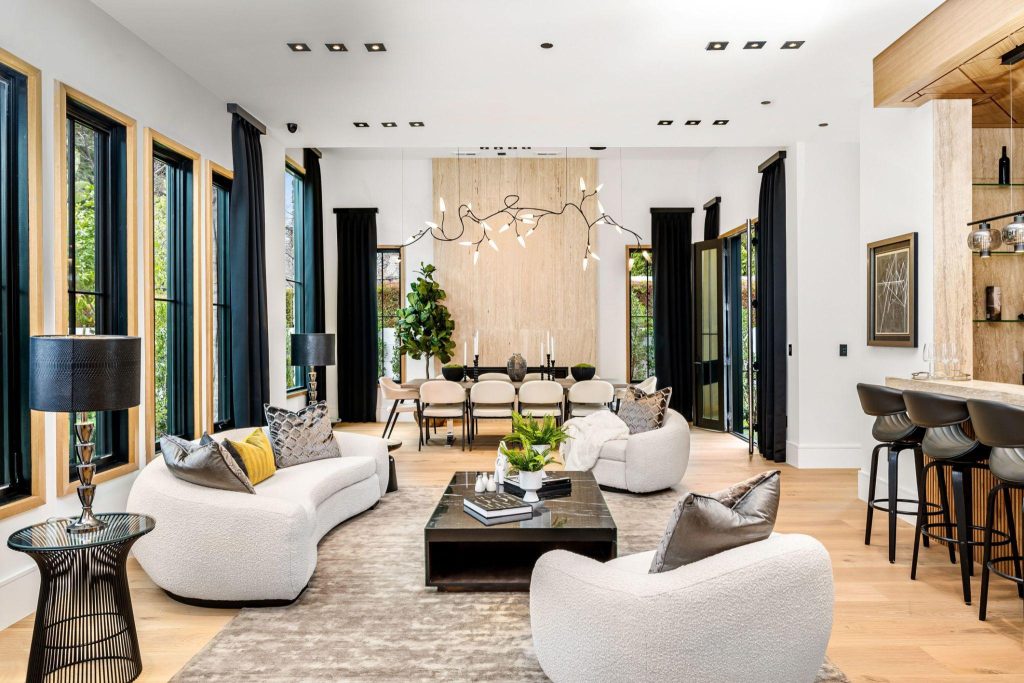
When most people think about real estate, they immediately think about buying land, constructing buildings, or closing property deals. Interior design rarely comes to mind.
I used to think that interior designers simply chose paint colors, arranged furniture, and made homes look beautiful. While beauty is certainly part of their work, I eventually realized their role goes much deeper than decoration.
A well-designed interior can influence how buyers feel the moment they walk into a property. It can make a small apartment appear spacious, an empty house feel like a home, and an ordinary property become more attractive to potential buyers.
I’ve visited properties where the structure was impressive, but the interior felt cold and poorly planned. I’ve also walked into modest homes that immediately felt warm, functional, and inviting because every space had been carefully designed.
That experience taught me an important lesson:
People don’t just buy buildings—they buy the feeling those buildings create.
Interior designers help create that feeling.
If you’re a homeowner, realtor, investor, developer, or someone planning to build, understanding the role of interior designers can help you maximize the value of your property.
Who Is an Interior Designer?
An interior designer is a trained professional who plans and improves interior spaces to make them functional, safe, comfortable, and visually appealing.
Their work goes beyond decoration.
They consider:
- Space planning
- Lighting
- Furniture layout
- Color coordination
- Materials and finishes
- Storage solutions
- Accessibility
- User experience
Their goal is to ensure that every room serves its intended purpose while creating a pleasant environment for the people who use it.
Why Interior Design Matters in Real Estate
Real estate is not only about square meters or the number of bedrooms.
Buyers also ask themselves:
- Can I imagine living here?
- Does this home feel comfortable?
- Is the space practical?
- Would my family enjoy this environment?
Interior design helps answer these questions without saying a word.
A thoughtfully designed property often creates a stronger emotional connection with buyers.
1. Creating a Great First Impression
First impressions matter.
When buyers walk into a property, they begin forming opinions within moments.
Interior designers help ensure that:
- Entryways feel welcoming.
- Living rooms feel spacious.
- Bedrooms feel relaxing.
- Kitchens feel practical.
- Bathrooms feel clean and modern.
A positive first impression encourages buyers to spend more time exploring the property.
2. Making Small Spaces Feel Bigger
One of the biggest challenges in residential real estate is maximizing available space.
Interior designers use techniques such as:
- Smart furniture placement
- Light color palettes
- Mirrors
- Multi-functional furniture
- Built-in storage
- Proper lighting
These choices can make compact spaces feel more open and comfortable.
3. Improving Property Value
While interior design alone cannot determine a property’s value, quality finishes and functional layouts often make a property more attractive in the marketplace.
Potential buyers may appreciate:
- Modern kitchens
- Well-designed wardrobes
- Attractive lighting
- Functional storage
- Durable materials
Properties that are easier to imagine living in often receive stronger buyer interest.
4. Helping Homes Sell Faster
One lesson I’ve learned is that buyers respond emotionally before they respond logically.
When a home feels welcoming and thoughtfully arranged, buyers often find it easier to picture themselves living there.
Interior designers help create spaces that photograph well, show well during inspections, and leave lasting impressions.
While no one can guarantee a quicker sale, presentation often plays an important role in attracting interest.
5. Supporting Property Staging
Property staging involves preparing a home for viewing.
Interior designers frequently assist by:
- Arranging furniture
- Improving lighting
- Reducing clutter
- Adding decorative accessories
- Creating balance throughout the home
The goal is to showcase the property’s strengths without overwhelming potential buyers.
6. Improving Functionality
Beautiful spaces should also work well.
Interior designers think carefully about how people move through a home.
They consider:
- Walking paths
- Furniture placement
- Storage needs
- Kitchen workflow
- Bathroom usability
- Home office requirements
Good design supports everyday living.
7. Choosing Materials That Last
Experienced designers understand that appearance should be balanced with durability.
Depending on the project, they may recommend materials that are easier to maintain and suitable for the property’s intended use.
Examples include:
- Flooring
- Countertops
- Cabinets
- Wall finishes
- Lighting fixtures
Practical choices can reduce future maintenance while enhancing the overall look of the property.
8. Making Rental Properties More Attractive
If you own rental property, interior design can help improve the tenant experience.
Simple improvements such as:
- Better lighting
- Neutral paint colors
- Functional wardrobes
- Modern fixtures
- Efficient storage
may increase the property’s appeal to prospective tenants.
Comfortable homes often attract responsible long-term occupants.
9. Helping Developers Stand Out
In competitive property markets, many developments offer similar layouts.
Interior designers help developers differentiate their projects through thoughtful finishes and cohesive design concepts.
Features such as welcoming lobbies, attractive common areas, and well-planned show homes can create stronger impressions on prospective buyers.
10. Designing for Different Lifestyles
Every homeowner has unique needs.
A young professional may prioritize a home office.
A growing family may need additional storage and child-friendly spaces.
Older adults may prefer accessibility and ease of movement.
Interior designers adapt spaces to support different lifestyles rather than using a one-size-fits-all approach.
11. Supporting Sustainable Living
Many modern interior designers also consider sustainability.
This may include recommending:
- Energy-efficient lighting
- Durable materials
- Natural ventilation
- Water-saving fixtures
- Reusable or responsibly sourced materials
Sustainable design can improve comfort while supporting long-term property maintenance.
12. Enhancing Real Estate Marketing
As a realtor, I have learned that quality photographs can determine whether someone clicks on a property listing.
Well-designed interiors often:
- Look more attractive in photos.
- Create stronger social media engagement.
- Encourage more property inquiries.
- Improve online presentation.
Interior design and real estate marketing work hand in hand.
My Personal Perspective
Over time, I’ve stopped seeing interior design as a luxury reserved for expensive homes.
Instead, I see it as part of creating value.
A beautifully designed space doesn’t have to be extravagant.
Sometimes, simple improvements such as better lighting, thoughtful furniture placement, or a fresh color scheme completely transform how a property feels.
Whenever I visit a well-designed home now, I notice something different.
It’s not just the furniture.
It’s how comfortable the space feels.
That’s the quiet power of good interior design.
Common Mistakes Homeowners Make
Many homeowners unintentionally reduce their property’s appeal by:
- Overcrowding rooms with furniture.
- Using too many competing colors.
- Ignoring lighting.
- Choosing style over functionality.
- Neglecting storage.
Interior designers help create balance between appearance and everyday practicality.
Should Every Property Owner Hire an Interior Designer?
Not necessarily.
The answer depends on:
- Your budget
- The size of your project
- Your design experience
- Your property’s purpose
However, even consulting an interior designer during planning can help avoid costly mistakes later.
Professional guidance may improve both functionality and presentation.
Final Thoughts
One lesson I’ve come to appreciate is that real estate isn’t only about constructing buildings—it’s about creating places where people genuinely want to live.
Interior designers help transform empty structures into welcoming homes.
They improve functionality, comfort, appearance, and overall user experience.
Whether you’re selling, renting, building, or renovating, thoughtful interior design can make a meaningful difference in how people perceive your property.
The next time you walk into a beautiful home, remember that what you’re feeling is often the result of careful planning, not just expensive furniture.
Great design isn’t simply about making a house look good.
It’s about helping people feel at home.
Frequently Asked Questions (FAQ)
Do interior designers increase property value?
While no increase is guaranteed, quality interior design can enhance a property’s appeal and may make it more attractive to potential buyers or tenants.
Is interior design only for luxury homes?
No. Interior design principles can improve homes of all sizes and budgets by focusing on functionality, comfort, and efficient use of space.
Can interior designers help rental properties?
Yes. Well-designed rental properties often provide a better living experience and can attract greater interest from prospective tenants.
When should I hire an interior designer?
Ideally, involve one during the planning or renovation stage. Early input can help optimize layouts, finishes, and functionality before construction is complete.