
Have you ever heard someone say, “I bought land years ago, but it’s just sitting there”?
If that sounds familiar, you’re not alone.
Many people buy land as an investment but leave it untouched for years while waiting to build. Although land naturally appreciates in value, leaving it completely idle means you’re missing opportunities to earn additional income.
Your land doesn’t have to remain unproductive.
Depending on its size, location, zoning, and surrounding development, a vacant plot can generate income without requiring you to sell it. Whether you own land in Lagos, Ogun, Abuja, Port Harcourt, Ibadan, or any growing town in Nigeria, there are several ways to put it to work.
In this guide, we’ll explore practical, legal, and sustainable passive income opportunities that can help your land pay for itself while you hold it for future development.
Why You Shouldn’t Leave Land Completely Idle
Land is one of the safest long-term investments because it generally increases in value over time.
However, idle land often comes with costs such as:
- Annual land charges
- Fencing and maintenance
- Security expenses
- Clearing overgrown vegetation
- Opportunity cost
If your land can generate income while appreciating, you’ll enjoy two benefits:
- Capital appreciation
- Regular cash flow
This is how experienced property investors build long-term wealth.
1. Lease Your Land for Farming
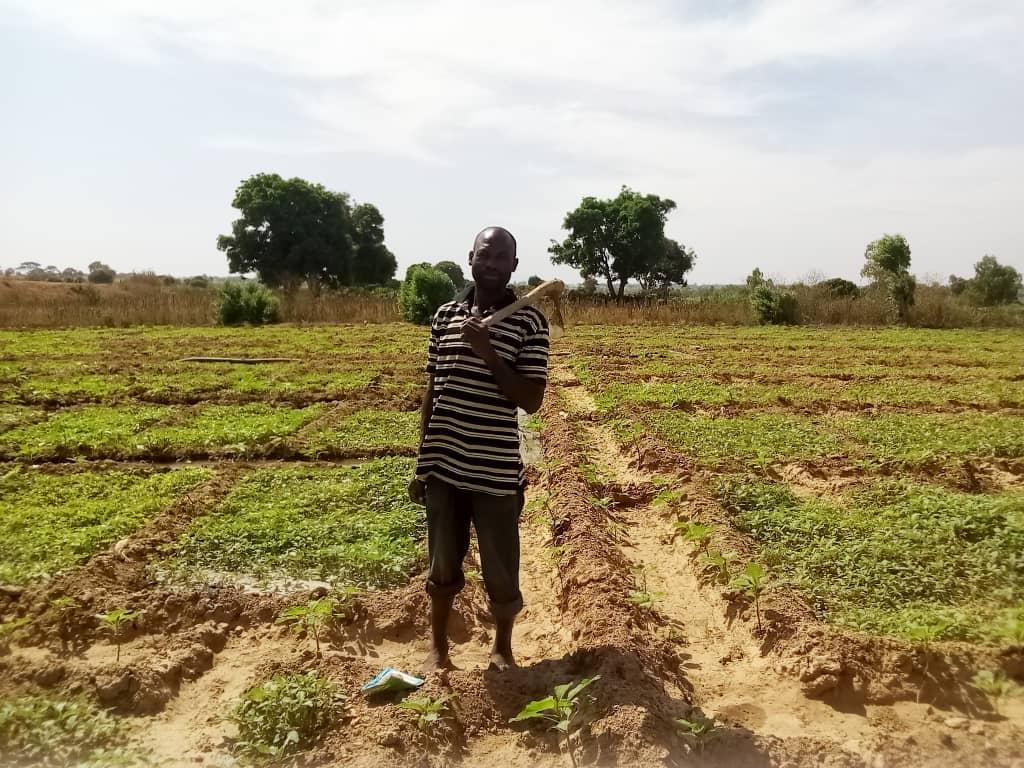
One of the easiest ways to monetize vacant land is by leasing it to farmers.
Depending on your location, farmers may cultivate:
- Cassava
- Maize
- Vegetables
- Plantain
- Pepper
- Watermelon
- Tomatoes
Instead of farming yourself, you simply rent out the land for an agreed period.
Benefits
- Low maintenance
- Predictable annual income
- Land remains productive
- Reduced risk of encroachment because the land is actively occupied
This option works particularly well for land outside major city centers.
2. Lease Space for Telecommunication Masts
If your land is located along major roads or in growing communities, telecommunications companies may lease it for infrastructure such as communication towers.
These agreements often run for several years and can provide stable recurring income.
Requirements usually include:
- Good road access
- Appropriate land size
- Clear ownership documents
- Regulatory approvals
Not every plot qualifies, but suitable locations can become valuable long-term income sources.
3. Rent the Land as a Car Park
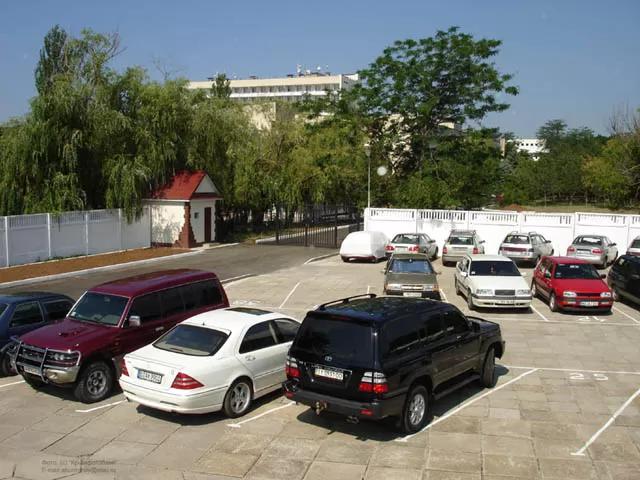
Busy commercial areas often struggle with parking.
If your land is near:
- Markets
- Hospitals
- Schools
- Event centers
- Shopping districts
- Office complexes
You may be able to convert it into a paid parking facility with relatively modest investment in fencing, grading, lighting, and security.
4. Use It for Storage
Businesses often need outdoor storage for:
- Building materials
- Shipping containers
- Heavy equipment
- Construction machinery
- Pipes
- Timber
Instead of selling your land, lease space to reputable businesses requiring temporary storage.
Ensure proper agreements and insurance considerations are in place.
5. Billboard Advertising

Roadside land with heavy traffic may attract advertising companies.
A billboard lease can provide recurring income while leaving most of the land available for future development.
Ideal locations include:
- Highways
- Major junctions
- Urban roads
- Commercial districts
6. Solar Energy Projects
As renewable energy expands across Africa, some developers lease land for solar installations.
Large projects typically require significant acreage, but smaller community or commercial solar installations are also becoming more common.
If your land receives good sunlight and has suitable access, this may become an attractive long-term opportunity.
7. Event Space
Vacant land can serve as:
- Outdoor weddings
- Religious gatherings
- Festivals
- Community events
- Exhibitions
- Weekend markets
Basic improvements such as leveling the ground, fencing, sanitation, and parking can make the land more attractive to organizers.
8. Recreational Facilities
Families increasingly seek outdoor leisure spaces.
Depending on the location, your land could host:
- Football pitches
- Children’s play areas
- Outdoor gyms
- Camping sites
- Picnic gardens
Charging entry fees or leasing operations to another business can provide recurring income.
9. Container Shops
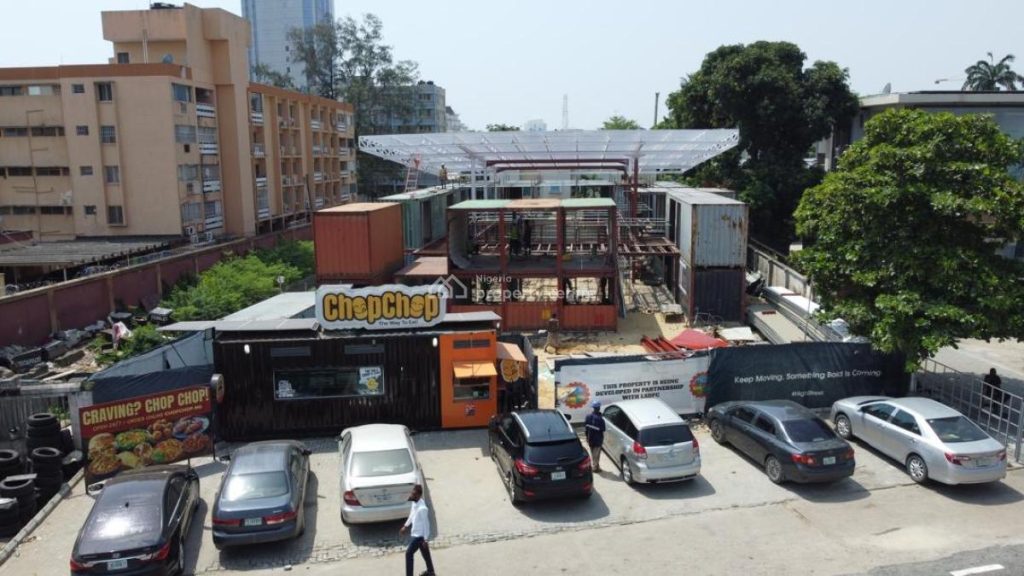
If your land is in a growing neighborhood, installing container shops can generate rental income.
Businesses may include:
- Grocery stores
- Pharmacies
- Hair salons
- POS operators
- Food vendors
- Phone accessory shops
Instead of selling the land, you become the landlord.
10. Lease to Real Estate Developers
Sometimes developers require temporary space for:
- Site offices
- Equipment
- Worker accommodation
- Material storage
Construction projects often last several months or years, making this another potential source of income.
Important Factors Before Monetizing Your Land
Before entering any agreement, consider:
Location
The best income opportunity depends on where the land is located.
Zoning Regulations
Confirm that your intended use complies with local planning regulations.
Documentation
Ensure you have valid ownership documents and written agreements.
Security
Protect the property from encroachment or unauthorized use.
Insurance
Where appropriate, consider insurance to reduce financial risk.
Should You Develop the Land Instead?
Passive income is excellent, but there comes a time when developing the property may produce higher long-term returns.
Ask yourself:
- Is the area growing rapidly?
- Are property values increasing?
- Is there strong rental demand?
- Can I finance development responsibly?
Sometimes the highest return comes from building residential or commercial property rather than continuing temporary uses.
A Personal Perspective: Land Is More Than an Investment
If you’re reading this, chances are you’ve already started thinking about your financial future. Owning land is a milestone that many people hope to achieve, but simply holding onto it without a plan can limit its potential.
Think of your land as a business asset—not just a possession.
Even if you’re not ready to build your dream home today, your land can begin contributing to your financial goals. The income it generates could help pay annual land charges, contribute toward construction costs, or fund another investment.
The goal isn’t to rush into every opportunity. It’s to choose one that fits your location, budget, and long-term vision while protecting the value of your property.
Common Mistakes to Avoid
Avoid these pitfalls:
- Leaving land unattended for years without maintenance.
- Entering verbal agreements instead of written contracts.
- Ignoring local regulations and permits.
- Accepting tenants without proper due diligence.
- Choosing short-term income that damages the land’s future value.
A little planning today can save you significant costs tomorrow.
Final Thoughts
Land is one of the few assets that can appreciate in value while also producing income.
Whether you lease it for farming, parking, advertising, storage, or retail activities, the key is to make informed decisions that preserve the property’s long-term value.
You don’t have to wait until you’re ready to build before your investment starts working for you. With the right strategy, your idle land can become a steady source of passive income and move you closer to financial independence.
The best time to make your land productive is before someone else recognizes its potential.
Frequently Asked Questions (FAQ)
Can I earn passive income from a small plot of land?
Yes. Even smaller plots may be suitable for parking, container shops, small-scale farming, or advertising, depending on the location.
Will leasing my land affect its resale value?
Not necessarily. Well-managed, legal lease agreements can provide income while preserving the property’s value.
Do I need a registered agreement?
It’s highly recommended. Written agreements prepared or reviewed by a qualified legal professional help protect both parties.
What is the most profitable use of idle land?
It depends on the location. Commercial roadside land may perform well with advertising or retail, while rural land may be better suited to agriculture.

